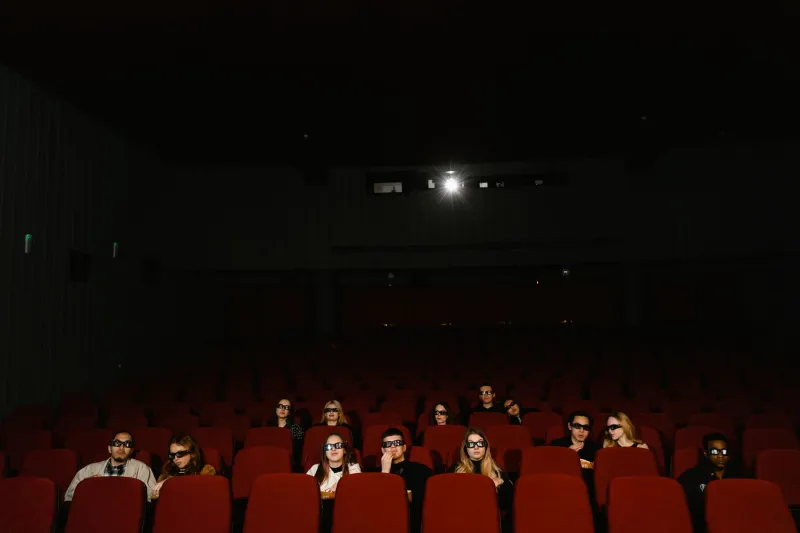
The Ghost at the Table: How Cinema Makes You Mourn Someone Who Was Never There
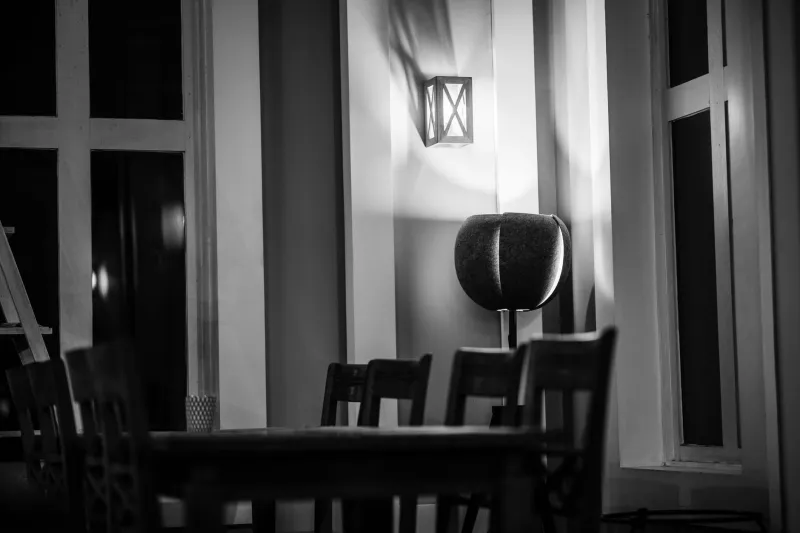
There's a chair at the dinner table. Nobody sits in it. The camera lingers just a half-second too long. You feel it — the weight of whoever should be there — even though the film never tells you directly, and you've never actually seen that person in the frame. Somehow, you already miss them.
This is the magic trick that the best filmmakers pull off without you even noticing the sleight of hand. Absent characters — people who exist entirely off-screen, referenced only through behavior, space, and sound — can generate more emotional gravity than protagonists with ninety minutes of screen time. It's one of cinema's quietest superpowers, and once you start seeing it, you can't unsee it.
The Architecture of Absence
The first tool in this particular kit is physical space. Directors who want you to feel someone's absence don't tell you about it — they build a room around a hole.
Think about how often a grieving character's home is arranged to preserve a ghost. The coat still hanging by the door. The coffee mug on the wrong side of the sink. A half-finished crossword puzzle on the nightstand. These aren't set decoration choices made by accident. They're emotional cues planted by production designers working in close collaboration with directors who understand that the human eye instinctively searches a frame for meaning, and that an unexplained object is a question that your brain immediately starts trying to answer.
Robert Zemeckis leaned hard into this in Forrest Gump — Jenny's absence in the latter half of the film is telegraphed through domestic geography before the story ever confirms what's happened. The space around Forrest literally changes shape when she's gone from it. That's not accidental. That's a director using architecture as emotional language.
Sound Carries the Dead
If physical space is the visual half of this technique, sound design is its shadow. What we hear — or almost hear — is often how filmmakers plant the suggestion of a presence that the camera refuses to show us.
A door that doesn't open when it used to. A ringtone that goes to voicemail. The particular silence of a house that used to be full of noise. Sound designers who work on films dealing with grief or loss often describe their job in those sequences as "removing things" rather than adding them. The absence of a familiar audio cue is its own kind of presence.
Alphonso Cuarón deployed this beautifully in Roma. The father in that film is perpetually almost-there — his car, his voice from another room, the implication of his arrival — before the movie quietly confirms that he's simply not coming back. You've been dreading it for twenty minutes before the film makes it explicit, because the sound design has been whispering the truth to you the whole time.
Framing the Empty Side
There's a specific compositional move that cinematographers use to signal absence — leaving deliberate, weighted negative space in a frame where a second figure would logically appear. It's not the same as a poorly composed shot. The emptiness has intention behind it. It has gravity.
Watch how a DP frames a character sitting on a bench, or standing at a window, or walking down a hallway, when the story involves someone who used to occupy that same space. The camera often refuses to tighten. It holds wide. It keeps the empty half of the frame in view. Your eye goes there. Your brain furnishes it with the person who should be standing there, and you've done the emotional work yourself — which is exactly the point.
This technique hits hardest because it respects the audience's intelligence. You don't need to be told that someone is missing. You can feel the negative space. Cinema at its best operates on that frequency — giving you just enough to let your own imagination and emotional memory complete the picture.
When Backstory Becomes a Ghost
Some absent characters were never present in the film's timeline at all. They existed before the story started, and the entire narrative is shaped around the crater they left behind.
Ordinary People is built almost entirely on this principle. The dead brother, Buck, never appears in a single frame. But he haunts every conversation, every family dinner, every therapy session. The film's emotional logic is essentially a map of one absence — how it distorts the people who remain, how it reshapes the space between them, how grief can become a kind of architecture that everyone lives inside without quite acknowledging the walls.
Director Robert Redford understood that showing Buck — even in a flashback — would have diminished him. The imagination creates a more powerful ghost than any actor could deliver. What we construct in our own heads, guided by the careful cues the film provides, is more personal and therefore more devastating than anything that could be filmed and cut together.
The Relationship Trick
Absent characters don't only haunt grief narratives. They show up constantly in relationship dynamics — the ex who broke someone, the mentor who shaped a protagonist's worldview, the rival who exists only as a name dropped in conversation. These characters do enormous narrative work without ever appearing on screen.
In Marriage Story, Nicole's mother is a persistent off-screen force — referenced, implied, occasionally heard on the phone — whose values and judgments ripple through the central relationship in ways that are never fully explained but always felt. She's a ghost of influence rather than grief, and her absence from the frame makes her presence in the marriage feel more insidious and real.
That's the technique at its most sophisticated: using an unseen character to explain a seen one. You understand someone better by understanding the shape of what's missing from their life, the person they keep circling back to without ever quite naming.
Letting the Audience Do the Work
At its core, this is a technique about trust. Filmmakers who use absence as a storytelling tool are trusting their audience to feel something without being instructed to feel it. They're betting that a careful arrangement of space, sound, and implication will land harder than any expository scene or tearful monologue.
And they're usually right. The emotions we generate ourselves — the grief we construct from a lingering wide shot, the dread we build from a sound that doesn't come — feel more authentic than the ones we're handed. Cinema at its best doesn't fill in all the blanks. It leaves just enough empty space for your own experience to rush in and complete the story.
That chair at the dinner table? The camera didn't need to explain it. You already knew. That's the whole trick — and it's one of the most quietly devastating things movies know how to do.