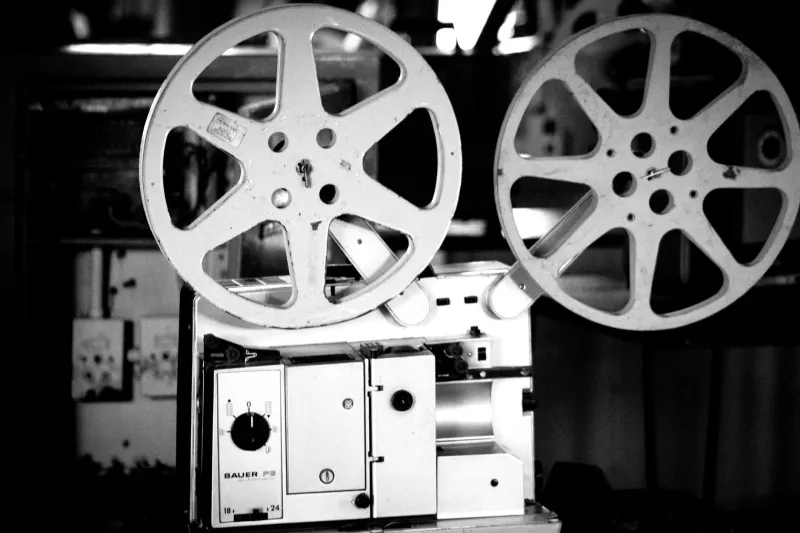
Flickerings Where every frame tells a story.

Flickerings

Where every frame tells a story.

Latest Articles

Broken Signal: How Cinema Learned to Love Its Own Malfunctions
Cinematic Analysis

Broken Signal: How Cinema Learned to Love Its Own Malfunctions

From scratched film reels to corrupted digital files, some of cinema's most haunting moments were born from things going wrong. The line between a technical disaster and an artistic decision has never been blurrier — and that ambiguity might be the whole point.
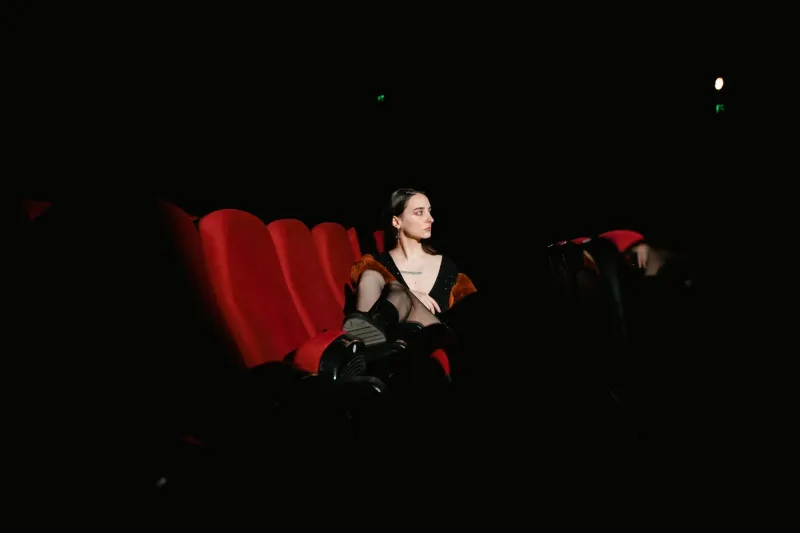
Give the Devil a Microphone: Why the Villain Speech Is Cinema's Riskiest Bet
Cinematic Analysis

Give the Devil a Microphone: Why the Villain Speech Is Cinema's Riskiest Bet

There's a moment in almost every great thriller when the bad guy stops doing bad things and starts explaining why they do them. It's the most dangerous sixty seconds in any screenplay — and when it works, it's pure cinematic lightning. When it doesn't, it can unravel everything a film spent two hours carefully building.

Frozen in Frame: The Art of the Pause That Makes You Hold Your Breath
Cinematic Analysis

Frozen in Frame: The Art of the Pause That Makes You Hold Your Breath

Before the cut, before the reveal, before everything changes — there's a moment where the image just sits there, daring you to blink. Master directors know exactly how long to hold that stillness, and the discomfort you feel in those extra frames is entirely by design.

Don't Move: The Unbearable Art of Holding a Shot Until You Can't Breathe
Cinematic Analysis

Don't Move: The Unbearable Art of Holding a Shot Until You Can't Breathe

Some of cinema's most devastating moments aren't the ones where everything explodes — they're the seconds right before, when nothing has happened yet and your body already knows something is coming. Directors from Hitchcock to Ari Aster have mastered the cruel art of making you wait, and understanding how they do it changes everything about how you watch movies.

Never Trust a Pair of Eyes: How Directors Use the Gaze to Keep You Guessing
Cinematic Analysis

Never Trust a Pair of Eyes: How Directors Use the Gaze to Keep You Guessing

Where a character looks — or refuses to look — can quietly unravel everything you thought you understood about a scene. Directors have long used the mechanics of eye contact as a hidden storytelling lever, one that operates just below the surface of conscious viewing. This is how a single glance rewrites the whole movie.

Lights Out: Why Flickering, Shadows, and Darkness Are Cinema's Most Underrated Mind Games
Cinematic Analysis

Lights Out: Why Flickering, Shadows, and Darkness Are Cinema's Most Underrated Mind Games

Before a single jump scare lands, before the villain shows their face, the light in a scene has already done most of the heavy lifting. Filmmakers have long understood that intermittent light — a guttering candle, a dying fluorescent tube, a strobe cutting through smoke — doesn't just set a mood. It rewires how your nervous system processes what you're watching.

Broken Beautiful: When Cinema's Worst Accidents Became Its Most Unforgettable Moments
Cinematic Analysis

Broken Beautiful: When Cinema's Worst Accidents Became Its Most Unforgettable Moments

Sometimes the scratch on the film reel, the blown-out light, or the microphone hum that slipped through the mix ends up doing more emotional heavy lifting than anything a director planned. A look at the happy accidents and technical disasters that wound up defining the movies they almost derailed.

Who's Not in the Room: The Invisible Characters Who Steal Every Scene
Cinematic Analysis

Who's Not in the Room: The Invisible Characters Who Steal Every Scene

Some of cinema's most powerful presences never actually appear on screen. Through strategic absence, filmmakers can make a character feel more real, more threatening, and more emotionally devastating than any actor's performance could achieve alone.

Blink and You'll Miss Them: The Unsung Background Performers Who Make Movie Worlds Feel Real
Cinematic Analysis

Blink and You'll Miss Them: The Unsung Background Performers Who Make Movie Worlds Feel Real

They don't have lines. They rarely have names. But the best extras in film history have delivered performances so precise, so perfectly human, that they quietly hijack entire scenes. Here's a look at the background players who made movie magic without ever stepping into the spotlight.

Hiding in the Light: The Secret Art of Burying Cinematic Gold Where You're Not Looking
Cinematic Analysis

Hiding in the Light: The Secret Art of Burying Cinematic Gold Where You're Not Looking

Some of the best things in movies aren't in the spotlight — they're tucked into corners, flashing past in half a second, or sitting quietly in the background while the main action hogs your attention. Directors have been playing this game for decades, and streaming has turned it into a full-blown obsession. Here's why the stuff you almost missed might be the most intentional thing on screen.

Cut and Paste: How Fans Rewrote the Rules of What a Finished Film Even Means
Opinion

Cut and Paste: How Fans Rewrote the Rules of What a Finished Film Even Means

Somewhere out there, a version of your favorite movie exists that you've never seen — one made not by the studio, but by a stranger on the internet with a laptop and a grudge. Fan edits have quietly grown from a nerdy hobby into a genuine cultural conversation about who really owns a film once it leaves the theater.

Everybody's Talking: The Messy, Brilliant Case for Dialogue You Can't Quite Hear
Cinematic Analysis

Everybody's Talking: The Messy, Brilliant Case for Dialogue You Can't Quite Hear

In most Hollywood movies, every line lands with perfect clarity — as if real people actually wait their turn. But a handful of filmmakers have spent careers doing something stranger and more honest: letting conversations collide, blur, and overlap until the screen sounds like life actually does. The difference between those two approaches tells you almost everything about how much a film trusts you.

Why Some Movies Live in Your Head Rent-Free (And Others Vanish by the Drive Home)
Cinematic Analysis

Why Some Movies Live in Your Head Rent-Free (And Others Vanish by the Drive Home)

Ever walked out of a theater unable to shake a film, while a movie you saw the week before has completely evaporated from memory? There's real science — and serious craft — behind why that happens. We break down the cinematic mechanics that separate a haunting film from a forgettable one.

The Camera Knows: How Visual Storytelling Exposes Character Before Anyone Says a Word
Opinion

The Camera Knows: How Visual Storytelling Exposes Character Before Anyone Says a Word

Dialogue gets all the credit, but the camera has been telling character stories since before sound existed. From the way a lens lingers on a face to how light chooses its favorites, cinematography can reveal who someone truly is — sometimes better than the character knows themselves.

Nothing Is Everything: How the World's Best Directors Turn Empty Frames Into Pure Emotion
Cinematic Analysis

Nothing Is Everything: How the World's Best Directors Turn Empty Frames Into Pure Emotion

The most powerful thing a director can put on screen might just be nothing at all. From the bone-dry landscapes of Denis Villeneuve to the unsettling geometry of Yorgos Lanthimos, cinema's true masters have long understood that emptiness isn't absence — it's presence with a different kind of weight.

Happy Accidents: The Blunders, Breakdowns, and Brilliant Mistakes That Made Movie History
Opinion

Happy Accidents: The Blunders, Breakdowns, and Brilliant Mistakes That Made Movie History

Hollywood spends billions trying to manufacture perfect moments, but some of cinema's most enduring scenes were born from broken equipment, unscripted impulses, and outright disasters. The story of how chaos became craft is one of the best arguments for embracing the unexpected — both on set and in the theater seat.

The Spaces Between: How Transitional Scenes Keep Movies Alive — and Why We're Losing Them
Opinion

The Spaces Between: How Transitional Scenes Keep Movies Alive — and Why We're Losing Them

Nobody clips a transition scene and posts it to TikTok. Nobody rewinds to watch a character walk down a hallway in silence. But those quiet, in-between moments are often where a film actually lives — and the way we watch movies now is quietly killing them off. It's worth asking what we lose when cinema stops letting itself breathe.

Too Close for Comfort: How Extreme Close-Ups Weaponize the Human Face
Cinematic Analysis

Too Close for Comfort: How Extreme Close-Ups Weaponize the Human Face

There's a reason you shift in your seat when a camera gets uncomfortably close to an actor's face. Filmmakers have long understood that proximity is its own kind of pressure — a tool just as potent as a jump scare or a swelling score. From the sweaty chaos of Uncut Gems to the gothic dread of Hereditary, extreme close-ups don't just show you characters — they invade them.

Painted Light: How Color Grading Quietly Controls Everything You Feel at the Movies
Cinematic Analysis

Painted Light: How Color Grading Quietly Controls Everything You Feel at the Movies

Before a single line of dialogue lands, before the score swells, the color palette on screen has already told you how to feel. Color grading is one of cinema's most powerful and least discussed tools — and once you start seeing it, you can't unsee it.

The Loudest Thing in the Room Is Nothing: Cinema's Most Powerful Silences
Opinion

The Loudest Thing in the Room Is Nothing: Cinema's Most Powerful Silences

We live in an era of relentless cinematic noise — punchy one-liners, wall-to-wall scores, dialogue that explains every feeling out loud. So why is it that the scenes we remember most are often the ones where nobody says a word? The art of cinematic silence is alive and well, and it hits harder than ever.